


Kuglasti ventili prvenstveno služe kao uređaji za uključivanje/isključivanje. Njihov dizajn ograničava njihovu sposobnost da pruže preciznu kontrolu protoka. Ovo ograničenje može uticati na njihovu efikasnost u određenim primjenama zaštite od požara. Evo nekoliko ključnih tačaka u vezi safire protection valveskuglastih ventila:Funkcionalnost uključivanja/isključivanjaKuglasti ventili su odlični za brzo zatvaranje ili omogućavanje protoka tekućine. Međutim, oni ne funkcioniraju dobro kada operateri trebaju postepeno podešavati brzinu protoka.Problemi s ograničavanjemKada su djelimično otvoreni, kuglasti ventili mogu stvoriti turbulenciju. Ova turbulencija može dovesti do pada pritiska i nekonzistentnih protoka. Takvo ponašanje može ometati performanse sistema za gašenje požara.Regulacija protokaKuglasti ventili nisu pogodni za primjene koje zahtijevaju finu regulaciju protoka. Njihov dizajn ne omogućava postepeno podešavanje. Ovo ograničenje može biti problematično u scenarijima gdje je precizna isporuka vode neophodna.NapojnicaZa primjene koje zahtijevaju modulaciju protoka, razmislite o upotrebi zapornih ventila ili drugih tipova ventila dizajniranih za prigušivanje.
Donja tabela sumira mogućnosti regulacije protoka kuglastih ventila u poređenju sa zasunskim ventilima:
- Tip ventila
- Mogućnost kontrole protoka
- Idealni slučaj upotrebe
- Kuglasti ventilOgraničeno
- Usluga uključivanja/isključivanjaZaporni ventil
Umjereno
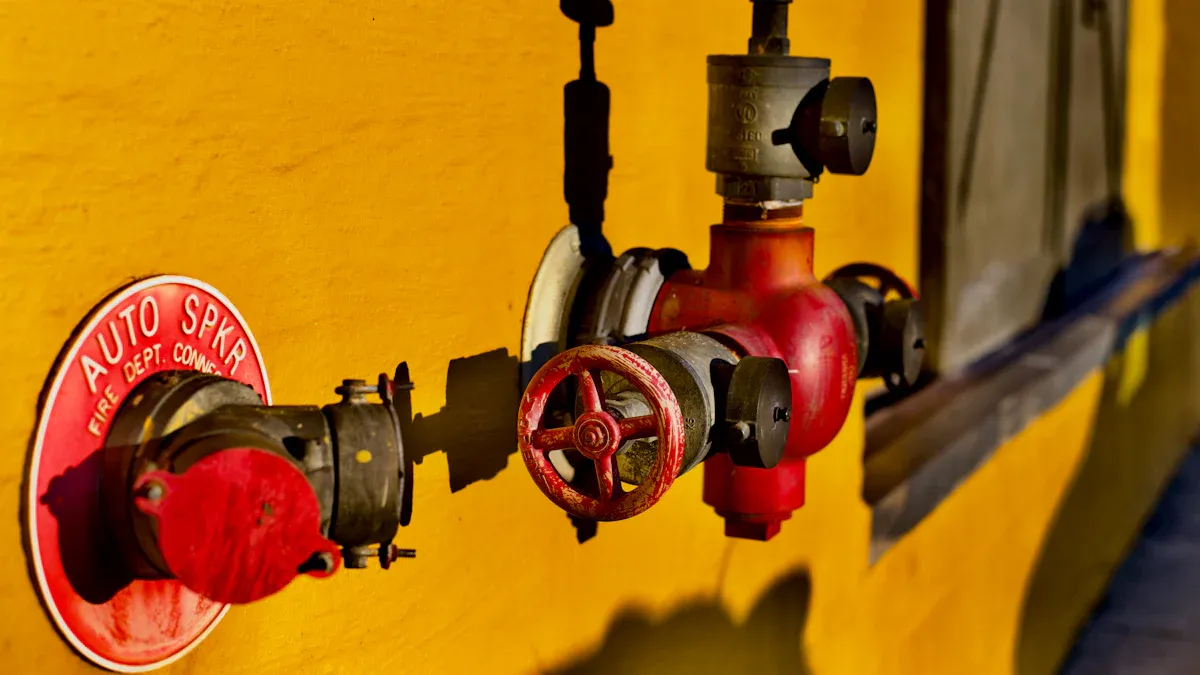
Prigušivanje i regulacija protokaPrimjene u protivpožarnim sistemimaProtivpožarni ventili igraju ključnu ulogu u raznim primjenama unutar protivpožarnih sistema. Njihov izbor zavisi od specifičnih operativnih zahtjeva i prirode strategije protivpožarne zaštite. U nastavku su navedene neke ključne primjene zapornih ventila i kuglastih ventila u protivpožarnim sistemima:
| 1. Sistemi protivpožarnih prskalica | Ball Valves | Gate Valves |
|---|---|---|
| Sistemi uspravnih cijevi, koji se obično nalaze u poslovnim zgradama, oslanjaju se na protivpožarne ventile kako bi se osigurala adekvatna opskrba vodom za gašenje požara. Zasunski ventili se često koriste za izolaciju dijelova sistema, dok kuglasti ventili omogućavaju brzo rukovanje za trenutni pristup vodi. | 3. Sistemi hidranata za požar | Sistemi hidranata za vatrogasce zahtijevaju pouzdane i efikasne ventile kako bi se osiguralo da vatrogasci mogu brzo pristupiti vodi. Zasunski ventili se obično postavljaju na glavnoj dovodnoj liniji kako bi se kontrolisao protok vode do hidranata. Kuglasti ventili se također mogu koristiti za brzo zatvaranje u hitnim situacijama. |
| 4. Sistemi za potop i predradnju | U sistemima za gašenje požara sa potopnim sistemom i sistemom za prethodno djelovanje, protivpožarni ventili igraju vitalnu ulogu u kontroli protoka vode do glava prskalica. Zaporni ventili mogu izolovati dijelove sistema radi održavanja, dok kuglasti ventili omogućavaju brzu aktivaciju protoka vode kada je to potrebno. | 5. Industrijske primjene |
| Flow Regulation | 6. Zaštita od požara u stambenim objektima | Stambeni sistemi za zaštitu od požara također imaju koristi od upotrebe protivpožarnih ventila. Zaporni ventili pružaju pouzdane mogućnosti zatvaranja, dok kuglasti ventili osiguravaju brz pristup dovodu vode za gašenje požara. |
| Durability | Prilikom odabira ventila za sisteme zaštite od požara, uzmite u obzir specifične zahtjeve primjene i rada. Svaki tip ventila nudi jedinstvene prednosti koje mogu poboljšati performanse sistema. | Odgovarajući scenariji za zaporne ventile |
| Zaporni ventili su posebno efikasni u različitim scenarijima unutar sistema zaštite od požara. Njihov dizajn i funkcionalnost ih čine pogodnim za specifične primjene gdje | pouzdana kontrola protoka | je neophodno. U nastavku su navedene neke idealne situacije za korištenje zapornih ventila: |
Izolacija glavnog vodovoda
Zaporni ventili služe kao primarni mehanizam za zatvaranje glavnog dovoda vode u sistemima za zaštitu od požara. Oni omogućavaju potpuno zatvaranje tokom održavanja ili u hitnim slučajevima, osiguravajući da sistem ostane siguran i operativan.Primjene visokog pritiskaU okruženjima gdje je visok pritisak problem, zasunski ventili su odlični. Njihova robusna konstrukcija može izdržati značajan pritisak bez ugrožavanja performansi. Ova izdržljivost ih čini idealnim za industrijska okruženja.
Cjevovodi velikog promjera
Zaporni ventili se često koriste u cjevovodima velikog promjera gdje je potrebna kontrola protoka. Njihov dizajn minimizira ograničenje protoka, omogućavajući efikasnu isporuku vode u hitnim slučajevima.
Sistemi hidranata za požar
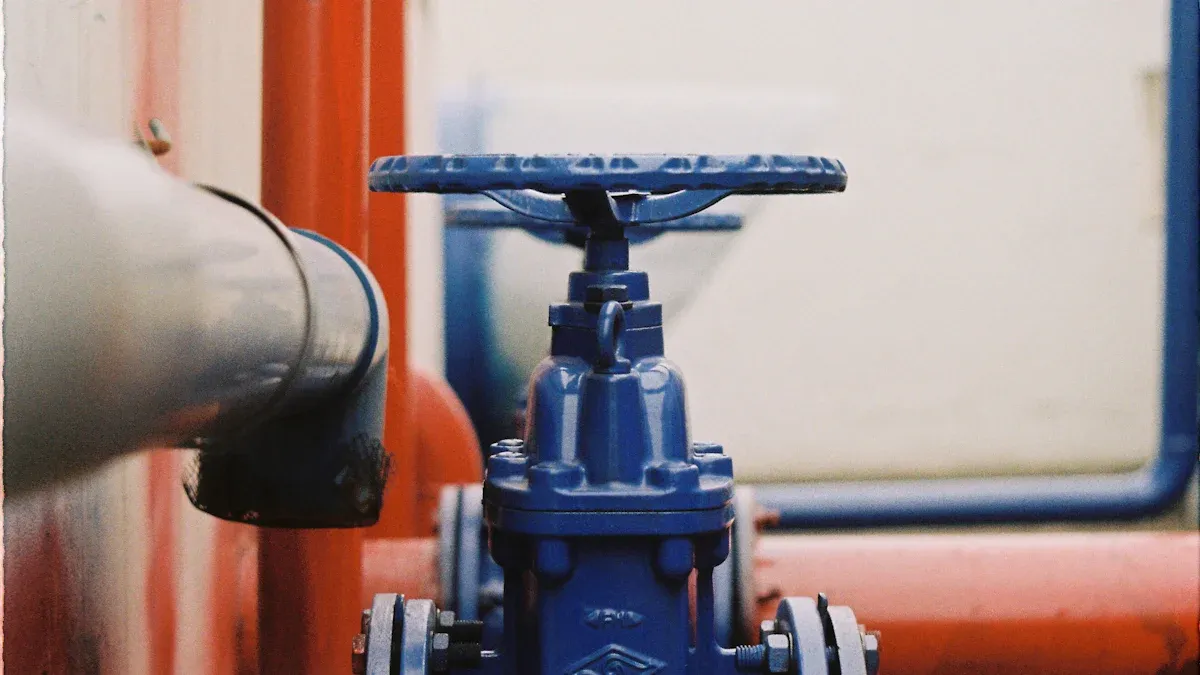
Zaporni ventili se obično ugrađuju u sisteme hidranata. Oni omogućavaju pouzdanu izolaciju dovoda vode, osiguravajući da vatrogasci mogu brzo pristupiti vodi kada je to potrebno.Jesu li zaporni ventili pogodni za primjenu prigušivanja?U sistemima sa uspravnim cijevima, zaporni ventili omogućavaju izolaciju određenih dijelova. Ova sposobnost je ključna za održavanje i osigurava da ostali dijelovi sistema ostanu operativni.
- Ball ValvesPrilikom odabira zapornih ventila za protivpožarne sisteme, uzmite u obzir specifične zahtjeve primjene i rada. Njihova sposobnost da osiguraju pouzdano zatvaranje i izdrže visoke pritiske čini ih vrijednom komponentom u različitim scenarijima.
- Gate ValvesKuglasti ventili su posebno efikasni u različitim scenarijima unutar sistema za zaštitu od požara. Njihov dizajn i operativna efikasnost čine ih pogodnim za specifične primjene gdje su brz odziv i pouzdanost neophodni. U nastavku su navedene neke idealne situacije za korištenje kuglastih ventila:
Hitno isključivanje
Kuglasti ventili su odlični u situacijama koje zahtijevaju brzo zatvaranje. Njihov rad od četvrtine okreta omogućava trenutno zatvaranje, što je ključno tokom požara. Vatrogasci mogu brzo pristupiti dovodu vode, što osigurava brzu reakciju.
Sistemi visokog pritiskaJesu li zaporni ventili pogodni za primjenu prigušivanja?Vodovodne cijevi
Gate Valves
- Kod sistema za zaštitu od požara, uzmite u obzir njihov brzi rad i nizak pad pritiska. Ove karakteristike poboljšavaju ukupne performanse i pouzdanost sistema.U sistemima protivpožarnih prskalica, kuglasti ventili omogućavaju brzu aktivaciju. Omogućavaju trenutni protok vode do glava prskalica, povećavajući efikasnost napora u gašenju požara.
- Sistemi za potopKuglasti ventili igraju ključnu ulogu u sistemima za potopno gašenje požara, gdje je potrebno brzo ispuštanje vode. Njihov dizajn omogućava brz rad, osiguravajući da voda bez odlaganja stigne do predviđenih područja.
- Brza reakcija tokom požaraKada
Ball Valves
- Kod sistema za zaštitu od požara, uzmite u obzir njihov brzi rad i nizak pad pritiska. Ove karakteristike poboljšavaju ukupne performanse i pouzdanost sistema.Vrsta aplikacije
- Ključna prednostHitno isključivanje
- Brza reakcija tokom požaraSistemi visokog pritiskaOdržava integritet pod pritiskomVodovodne cijevi
TipSistemi za navodnjavanje
Trenutna aktivacija protoka vode
Sistemi za potop
- Brzo ispuštanje vode za suzbijanjeUkupna efikasnost u protivpožarnim sistemima
- Učinkovitostventili za zaštitu od požara
- značajno utiče na performanse sistema za zaštitu od požara. I zasuni i kuglasti ventili igraju ključnu ulogu u osiguravanju pouzdanog protoka vode tokom vanrednih situacija. Njihove jedinstvene karakteristike doprinose ukupnoj efikasnosti napora za suzbijanje požara.Zaporni ventili su izvrsni u primjenama koje zahtijevaju potpuno zatvaranje protoka. Oni pružaju pouzdan način za izolaciju dijelova sistema za zaštitu od požara. Ova sposobnost je neophodna tokom održavanja ili u hitnim slučajevima. Zaporni ventili omogućavaju visok protok, osiguravajući da voda dođe do kritičnih područja kada je to potrebno. Njihova robusna konstrukcija podnosi visoke pritiske, što ih čini pogodnim za različita okruženja.
- S druge strane, kuglasti ventili nude brz rad i nizak pad pritiska. Njihov mehanizam sa četvrtinom okreta omogućava brz pristup dovodu vode, što je od vitalnog značaja tokom požara. Vatrogasci mogu brzo aktivirati kuglaste ventile, osiguravajući trenutnoprotok vode
- Ovaj brzi odgovor može značajno doprinijeti efikasnom kontrolisanju požara. Osim toga, kuglasti ventili održavaju nepropusnost, sprječavajući gubitak vode i povećavajući pouzdanost sistema.Performanse u vanrednim situacijama
U vanrednim situacijama, performanse protivpožarnih ventila postaju kritične. I zasuni i kuglasti ventili igraju različite uloge u osiguravanju efikasnih napora u gašenju požara.
operativne karakteristikemože značajno uticati na ishod aktivnosti gašenja požara.Zaporni ventili
| Valve Type | Kuglasti ventili | Nasuprot tome, kuglasti ventili nude brz rad. Njihov mehanizam sa četvrtinom okreta omogućava trenutni pristup dovodu vode. Ova brza aktivacija je neophodna tokom požara, gdje je vrijeme od ključne važnosti. Vatrogasci mogu brzo aktivirati kuglaste ventile, osiguravajući da voda bez odlaganja teče do potrebnih područja. Osim toga, kuglasti ventili održavaju niske padove pritiska, što pomaže u održavanju pritiska vode u cijelom sistemu. |
|---|---|---|
| Gate Valve | Pouzdan za potpuno isključivanje, ali sporiji za rad. | Pouzdan za potpuno isključivanje, ali sporiji za rad. |
| Ball Valve | Dugoročna pouzdanost protivpožarnih ventila | Dugoročna pouzdanost protivpožarnih ventila |
Dugoročna pouzdanost je ključna za protivpožarne ventile, jer ove komponente igraju vitalnu ulogu u osiguravanju sigurnosti tokom vanrednih situacija. I zasuni i kuglasti ventili pokazuju jedinstvene karakteristike koje utiču na njihovu pouzdanost tokom vremena.
- Zaporni ventili
- Izdržljivost
- Zaporni ventili često su izrađeni od robusnih materijala, poput nehrđajućeg čelika ili mesinga. Ovi materijali poboljšavaju njihovu sposobnost da izdrže visoke pritiske i temperature, doprinoseći njihovoj dugovječnosti.
- Zahtjevi za održavanje
- Redovno održavanje je neophodno za zaporne ventile. Operateri trebaju pregledati zaptivke i unutrašnje komponente kako bi spriječili curenje. Zanemarivanje održavanja može dovesti do smanjene pouzdanosti i potencijalnih kvarova u kritičnim trenucima.
- Kuglasti ventili
- Niske potrebe za održavanjem
- Kuglasti ventili obično zahtijevaju manje održavanja od zasunskih ventila. Njihov dizajn minimizira habanje, što im omogućava da efikasno funkcionišu duži period.
- Otpornost na koroziju
- Mnogi kuglasti ventili koriste materijale otporne na koroziju. Ova karakteristika povećava njihovu pouzdanost, posebno u okruženjima izloženim jakim hemikalijama ili ekstremnim uslovima.
- Napojnica
Da bi se maksimizirala dugoročna pouzdanost protivpožarnih ventila, organizacije bi trebale implementirati raspored rutinskih inspekcija. Redovne provjere mogu identificirati potencijalne probleme prije nego što se pogoršaju, osiguravajući da ventili ostanu operativni kada je to potrebno.I zasuni i kuglasti ventili nude različite prednosti i nedostatke u sistemima zaštite od požara.Zaporni ventili
odlikuju se pouzdanim zatvaranjem i visokim protokom.
Kuglasti ventili
- ističu se po brzom radu i niskom padu pritiska.U konačnici, izbor između ovih ventila zavisi od specifičnih potreba protivpožarnog sistema i operativnih zahtjeva.NapojnicaProcijenite jedinstvene zahtjeve svake aplikacije kako biste odredili najoptimalnije
- odgovarajući tip ventilaza optimalne performanse.Često postavljana pitanjaKoja je osnovna razlika između zapornih ventila i kuglastih ventila?
Zaporni ventili omogućavaju pouzdanu kontrolu uključivanja/isključivanja, dok kuglasti ventili nude brži rad uz minimalni pad pritiska. Zbog toga su kuglasti ventili pogodniji za hitne situacije.Jesu li zaporni ventili pogodni za primjenu prigušivanja?Zaporni ventili se mogu koristiti za prigušivanje, ali nisu idealni za tu svrhu. Njihova konstrukcija je prvenstveno namijenjena potpunom zatvaranju protoka.
| Koliko često treba održavati protivpožarne ventile? | Redovno održavanje je neophodno i za zasune i za kuglaste ventile. Tehničari bi ih trebali pregledati najmanje jednom godišnje kako bi osigurali ispravno funkcionisanje i spriječili curenje. |
|---|---|
| Mogu li kuglasti ventili podnijeti prljave tekućine? | Kuglasti ventili imaju poteškoća s tekućinama koje sadrže čvrste tvari ili ostatke. Nečistoće mogu spriječiti pravilno brtvljenje, što dovodi do potencijalnih curenja u sistemima za zaštitu od požara. |
| Koji faktori utiču na izbor između zapornih i kuglastih ventila? | Izbor zavisi od specifičnih potreba primjene, kao što su potrebno vrijeme odziva, kontrola protoka i uslovi pritiska. Procijenite ove faktore kako biste odredili najbolji tip ventila. |
| Vrijeme objave: 20. mart 2026. | Kontakt |
Posjetite nasZheJiang World Fire Fighting Equipment CO., LTD.Pozovite nas
13685872522
13968219316
- Naša e-poštaPošalji upit
- KorejskiPošalji e-poštu
- WhatsAppPritisnite enter za pretragu ili ESC za zatvaranje
- EngleskiFrancuski
- njemačkiPortugalski
Španski
| Ruski | Kazaški |
|---|---|
| Korejski | arapski |
| Irski | Grčki |
| turski | Italijanski |
Danski
Rumunski
IndonezijskiČeškiAfrikanerski
- švedskiPoljski
- baskijskiKatalonski
Esperanto
Hindski
LaoAlbanskiAmharski
- ArmenskiAzerbejdžanski
- BjeloruskiBengalski
- Bosanskibugarski
Cebuanski
- Čičeva
- Korzikanac
- hrvatski
- holandski
EstonskiFilipinski
| Valve Type | Frizijski | galicijski |
|---|---|---|
| Ball Valve | Hebrejski | havajski |
| Gate Valve | havajski | Hebrejski |
Hmong
Mađarski
IslandskiIgboJavanski
| Kannada | Kazaški |
|---|---|
| Kmerski | Kurdski |
| Kirgizi | Latinski |
| Latvijski | Litvanski |
Luksemburg..MakedonskiMadagaskarski
- MalajskiMalajalamski
- MalteškiMaori
- MaratiMongolski
Burmanski
Nepalski
Norveški
Paštunskiperzijski:
- PandžapskiSrpski
- SesotoSinhalskiSlovačkiSlovenski
- SomalijskiSamoanski
Škotski galski
Šona
Sindhi
SundanskiSvahiliTadžikistanski
- TamilskiTelugu
- TajlandskiUkrajinski
Urdu
| Valve Type | Vijetnamski | Velški | Kosa |
|---|---|---|---|
| Jidiš | Joruba | Zulu | kinjaruanda |
| Tatarski | Oriya | Turkmenski | Ujgur |
Low pressure drop in ball valves enhances water flow in fire system pipelines. This efficiency ensures that firefighters receive adequate water supply quickly, which is vital for effective firefighting. The ability to maintain pressure during operation allows for consistent water delivery, even in high-demand situations.
Disadvantages of Ball Valves
While ball valves offer numerous advantages, they also present several disadvantages that can affect their performance in fire protection systems. Understanding these limitations is crucial for making informed decisions. Here are some key drawbacks:
- Inability to Provide Gradual Shut-off: Ball valves operate with a quarter-turn action. This rapid shut-off can lead to sudden pressure changes, potentially damaging systems like fire protection sprinklers. Such abrupt shifts in pressure may compromise the integrity of the entire system.
- Corrosion and Erosion Issues: Depending on the material used, ball valves can corrode or erode when exposed to harsh substances. This deterioration can result in leaks and reduced performance over time. Operators must consider the fluid characteristics to mitigate these risks.
- Difficulty in Handling Dirty Fluids: Ball valves struggle with fluids containing solids or debris. These contaminants can prevent proper sealing, leading to leakage. In fire protection systems, where reliability is paramount, this limitation can pose significant challenges.
- Higher Initial Costs: Compared to gate valves, ball valves typically have a higher initial purchase price. This cost factor can deter some organizations from choosing them, especially when budget constraints exist.
- Limited Throttling Capability: Ball valves are primarily designed for on/off service. They do not perform well when used for throttling applications. This limitation can hinder flow regulation in certain scenarios, making them less versatile than other valve types.
Higher Initial Cost of Ball Valves
Ball valves typically come with a higher initial cost than gate valves. This price difference can influence purchasing decisions for fire protection systems. Organizations must weigh the benefits against the financial implications. Here are some key points regarding the costs associated with ball valves:
- Material Quality: Ball valves often use high-quality materials, such as stainless steel or brass. These materials enhance durability but increase production costs.
- Complex Design: The design of ball valves includes more intricate components, which can drive up manufacturing expenses.
- Performance Features: Ball valves offer superior sealing capabilities and quick operation. These features justify the higher price for many applications.
Cost Comparison Table
| Valve Type | Initial Cost Range (8″ Class 300) | Initial Cost Range (24″) |
|---|---|---|
| Gate Valve | $12K – $18K | $12K – $18K |
| Ball Valve | $45K – $75K | $45K – $75K |
Tip: When budgeting for fire protection systems, consider both the initial costs and the long-term benefits of each valve type.
Despite the higher upfront costs, ball valves can provide long-term savings. Their durability and low maintenance requirements often lead to reduced operational costs over time. Organizations should evaluate their specific needs and budget constraints before making a decision.
Limited Flow Control of Ball Valves
Ball valves primarily serve as on/off devices. Their design limits their ability to provide precise flow control. This limitation can impact their effectiveness in certain fire protection applications. Here are some key points regarding the flow control capabilities of ball valves:
- On/Off Functionality: Ball valves excel at quickly shutting off or allowing fluid flow. However, they do not perform well when operators need to adjust flow rates gradually.
- Throttling Issues: When partially opened, ball valves can create turbulence. This turbulence can lead to pressure drops and inconsistent flow rates. Such behavior can hinder the performance of fire suppression systems.
- Flow Regulation: Ball valves are not suitable for applications requiring fine flow regulation. Their design does not allow for gradual adjustments. This limitation can be problematic in scenarios where precise water delivery is essential.
Tip: For applications that require flow modulation, consider using gate valves or other valve types designed for throttling.
The table below summarizes the flow control capabilities of ball valves compared to gate valves:
| Valve Type | Flow Control Capability | Ideal Use Case |
|---|---|---|
| Ball Valve | Limited | On/off service |
| Gate Valve | Moderate | Throttling and flow regulation |
Applications in Fire Systems
Fire protection valves play a critical role in various applications within fire protection systems. Their selection depends on specific operational requirements and the nature of the fire protection strategy. Below are some key applications for both gate valves and ball valves in fire systems:
1. Fire Sprinkler Systems
Fire sprinkler systems utilize both gate and ball valves to control water flow. Gate valves serve as the main shut-off valves, allowing for complete closure during maintenance or emergencies. Ball valves, on the other hand, provide quick access to water supply, enabling rapid response during fire incidents.
2. Standpipe Systems
Standpipe systems, commonly found in commercial buildings, rely on fire protection valves to ensure adequate water supply for firefighting efforts. Gate valves are often used to isolate sections of the system, while ball valves facilitate quick operation for immediate water access.
3. Fire Hydrant Systems
Fire hydrant systems require reliable and efficient valves to ensure firefighters can access water quickly. Gate valves are typically installed at the main supply line to control water flow to hydrants. Ball valves may also be used for quick shut-off in emergency situations.
4. Deluge and Pre-Action Systems
In deluge and pre-action fire suppression systems, fire protection valves play a vital role in controlling water flow to sprinkler heads. Gate valves can isolate sections of the system for maintenance, while ball valves allow for rapid activation of water flow when needed.
5. Industrial Applications
In industrial settings, fire protection valves are essential for safeguarding against fire hazards. Gate valves are often used in high-pressure applications, while ball valves are favored for their quick operation and low pressure drop, making them suitable for various fire suppression systems.
6. Residential Fire Protection
Residential fire protection systems also benefit from the use of fire protection valves. Gate valves provide reliable shut-off capabilities, while ball valves ensure quick access to water supply for firefighting efforts.
Tip: When selecting valves for fire protection systems, consider the specific application and operational requirements. Each valve type offers unique advantages that can enhance system performance.
Suitable Scenarios for Gate Valves
Gate valves are particularly effective in various scenarios within fire protection systems. Their design and functionality make them suitable for specific applications where reliable flow control is essential. Below are some ideal situations for using gate valves:
- Main Water Supply Isolation: Gate valves serve as the primary shut-off mechanism for the main water supply in fire protection systems. They allow for complete closure during maintenance or emergencies, ensuring that the system remains safe and operational.
- High-Pressure Applications: In environments where high pressure is a concern, gate valves excel. Their robust construction can withstand significant pressure without compromising performance. This durability makes them ideal for industrial settings.
- Large-Diameter Pipelines: Gate valves are often used in large-diameter pipelines where flow control is necessary. Their design minimizes flow restriction, allowing for efficient water delivery during emergencies.
- Fire Hydrant Systems: Gate valves are commonly installed in fire hydrant systems. They provide reliable isolation of the water supply, ensuring that firefighters can access water quickly when needed.
- Standpipe Systems: In standpipe systems, gate valves allow for the isolation of specific sections. This capability is crucial for maintenance and ensures that other parts of the system remain operational.
Tip: When selecting gate valves for fire protection systems, consider the specific application and operational requirements. Their ability to provide reliable shut-off and withstand high pressures makes them a valuable component in various scenarios.
Suitable Scenarios for Ball Valves
Ball valves are particularly effective in various scenarios within fire protection systems. Their design and operational efficiency make them suitable for specific applications where quick response and reliability are essential. Below are some ideal situations for using ball valves:
- Emergency Shut-off: Ball valves excel in situations requiring rapid shut-off. Their quarter-turn operation allows for immediate closure, which is critical during fire emergencies. Firefighters can quickly access water supply, ensuring a swift response.
- High-Pressure Systems: In high-pressure environments, ball valves maintain their integrity and performance. Their robust construction withstands significant pressure, making them ideal for industrial applications where safety is paramount.
- Water Supply Lines: Ball valves are commonly used in water supply lines for fire protection systems. Their ability to provide leak-proof sealing ensures that water remains contained, preventing wastage and maintaining system efficiency.
- Sprinkler Systems: In fire sprinkler systems, ball valves facilitate quick activation. They allow for immediate water flow to sprinkler heads, enhancing the effectiveness of fire suppression efforts.
- Deluge Systems: Ball valves play a crucial role in deluge systems, where rapid water release is necessary. Their design enables quick operation, ensuring that water reaches the intended areas without delay.
Tip: When selecting ball valves for fire protection systems, consider their quick operation and low pressure drop. These features enhance overall system performance and reliability.
| Application Type | Key Benefit |
|---|---|
| Emergency Shut-off | Rapid response during fires |
| High-Pressure Systems | Maintains integrity under pressure |
| Water Supply Lines | Prevents leaks and wastage |
| Sprinkler Systems | Immediate water flow activation |
| Deluge Systems | Quick water release for suppression |
Overall Effectiveness in Fire Systems
The effectiveness of fire protection valves significantly impacts the performance of fire safety systems. Both gate valves and ball valves play crucial roles in ensuring reliable water flow during emergencies. Their unique characteristics contribute to the overall efficiency of fire suppression efforts.
Gate valves excel in applications requiring complete flow shut-off. They provide a reliable means to isolate sections of a fire protection system. This capability is essential during maintenance or emergencies. Gate valves allow for high flow capacity, ensuring that water reaches critical areas when needed. Their robust construction withstands high pressures, making them suitable for various environments.
On the other hand, ball valves offer rapid operation and low pressure drop. Their quarter-turn mechanism allows for quick access to water supply, which is vital during fire incidents. Firefighters can swiftly activate ball valves, ensuring immediate water flow. This quick response can make a significant difference in controlling fires effectively. Additionally, ball valves maintain leak-proof sealing, preventing water loss and enhancing system reliability.
Performance in Emergencies
In emergency situations, the performance of fire protection valves becomes critical. Both gate valves and ball valves play distinct roles in ensuring effective firefighting efforts. Their operational characteristics can significantly influence the outcome of fire suppression activities.
Gate Valves
Gate valves provide reliable shut-off capabilities. They excel in applications where complete flow control is necessary. However, their slower operation can hinder response times during emergencies. Firefighters may face delays when attempting to open or close these valves, as they require multiple turns. This limitation can be detrimental in situations where every second counts.
Ball Valves
In contrast, ball valves offer rapid operation. Their quarter-turn mechanism allows for immediate access to water supply. This quick activation is essential during fire incidents, where time is of the essence. Firefighters can swiftly engage ball valves, ensuring that water flows to the necessary areas without delay. Additionally, ball valves maintain low pressure drops, which helps sustain water pressure throughout the system.
Summary of Performance
- Gate Valves: Reliable for complete shut-off but slower to operate.
- Ball Valves: Quick to activate, ensuring immediate water flow and maintaining pressure.
Long-Term Reliability of Fire Protection Valves
Long-term reliability is crucial for fire protection valves, as these components play a vital role in ensuring safety during emergencies. Both gate and ball valves exhibit unique characteristics that influence their reliability over time.
Gate Valves
- Durability: Gate valves often feature robust materials, such as stainless steel or brass. These materials enhance their ability to withstand high pressures and temperatures, contributing to their longevity.
- Maintenance Requirements: Regular maintenance is essential for gate valves. Operators should inspect seals and internal components to prevent leaks. Neglecting maintenance can lead to reduced reliability and potential failures during critical moments.
Ball Valves
- Low Maintenance Needs: Ball valves typically require less maintenance than gate valves. Their design minimizes wear and tear, allowing them to function effectively for extended periods.
- Corrosion Resistance: Many ball valves utilize corrosion-resistant materials. This feature enhances their reliability, especially in environments exposed to harsh chemicals or extreme conditions.
Tip: To maximize the long-term reliability of fire protection valves, organizations should implement a routine inspection schedule. Regular checks can identify potential issues before they escalate, ensuring that valves remain operational when needed.
Both gate and ball valves offer distinct advantages and disadvantages in fire protection systems.
- Gate valves excel in providing reliable shut-off capabilities and high flow capacity.
- Ball valves stand out for their quick operation and low pressure drop.
Ultimately, the choice between these valves hinges on specific fire system needs and operational requirements.
Tip: Assess the unique demands of each application to determine the most suitable valve type for optimal performance.
FAQ
What is the primary difference between gate valves and ball valves?
Gate valves provide reliable on/off control, while ball valves offer quicker operation with minimal pressure drop. This makes ball valves more suitable for emergency situations.
Are gate valves suitable for throttling applications?
Gate valves can be used for throttling, but they are not ideal for this purpose. Their design is primarily for complete flow shut-off.
How often should fire protection valves be maintained?
Regular maintenance is essential for both gate and ball valves. Technicians should inspect them at least once a year to ensure proper functionality and prevent leaks.
Can ball valves handle dirty fluids?
Ball valves struggle with fluids containing solids or debris. Contaminants can prevent proper sealing, leading to potential leaks in fire protection systems.
What factors influence the choice between gate and ball valves?
The choice depends on specific application needs, such as required response time, flow control, and pressure conditions. Evaluate these factors to determine the best valve type.
Post time: Mar-20-2026